
Dietary Guidelines for Americans 2025–2030: What Clinicians Should Know About the Latest Update
A review by Dr Roberta Alessandrini, PhD, Director of PAN’s Dietary Guidelines Initiative
In early January 2026, the US Departments of Health and Human Services (HHS) and Agriculture (USDA) released the Dietary Guidelines for Americans (DGAs) 2025–2030. Updated every five years, the DGAs help inform nutrition standards across public programmes, including school meals and institutional procurement, and may influence the dietary advice health professionals provide in clinical settings.
This matters in a country where adult obesity prevalence is about 40% and healthcare spending is approximately 18% of GDP. Much of this burden is driven by diet-related conditions that can be reduced through healthier dietary patterns, supportive food environments, and equitable access to nutritious foods.
It also matters because leading scientific bodies recognise the strong links between dietary patterns, food systems, and climate-related pressures that affect long-term food security and health. Dietary guidelines are strongest when they consider both health outcomes and the wider food system context, including sustainability factors that influence resilience over time.
PAN International supports clinicians and health systems by translating nutrition science into practical guidance. Our focus is prevention, nutrient adequacy, and dietary patterns associated with better health outcomes. This overview highlights what the 2025–2030 DGAs emphasise and a small number of areas clinicians may wish to consider as the guidance is interpreted and implemented.
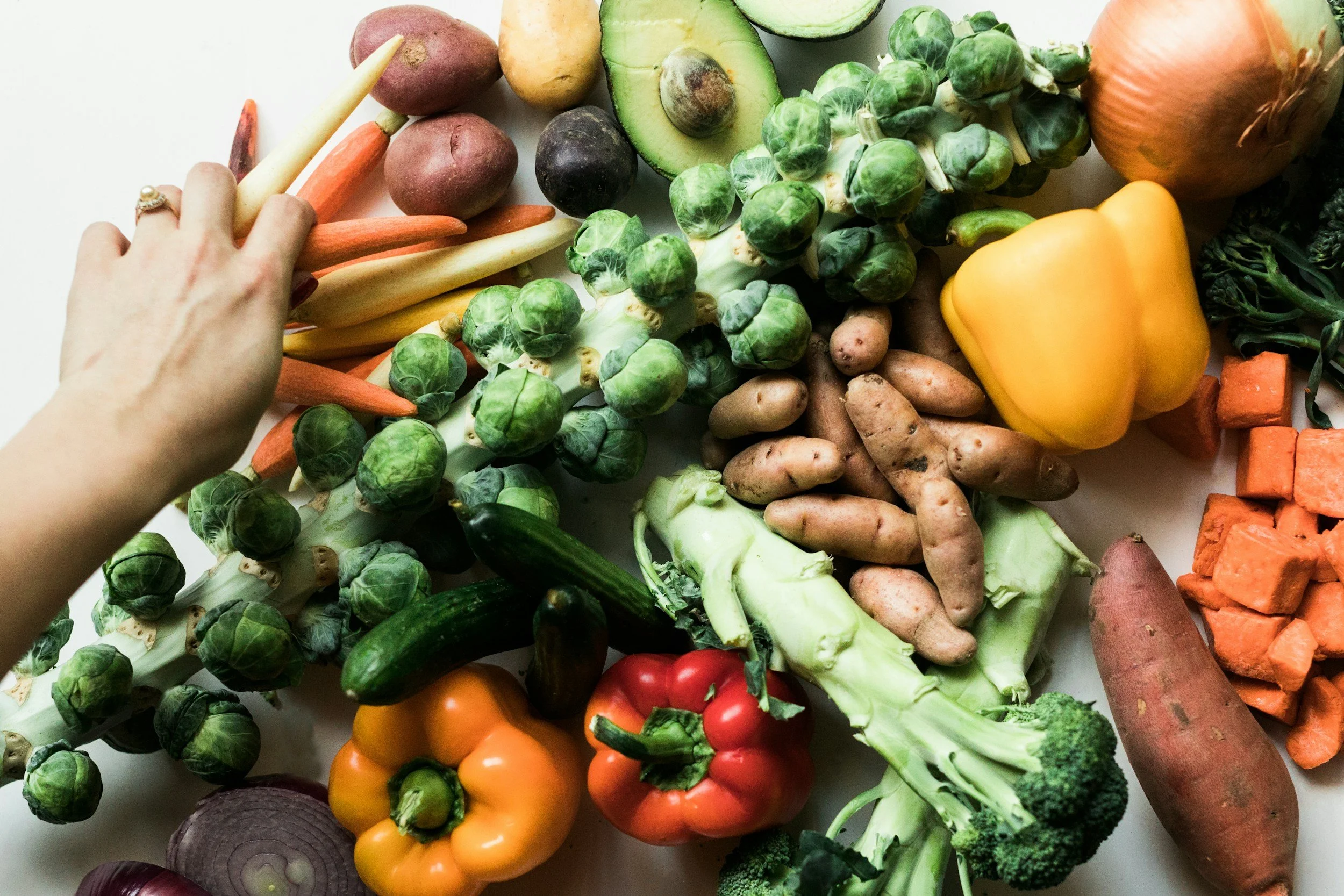
Photo by Nathan Dumlao / Unsplash
What the DGAs emphasise
The 2025–2030 DGAs are presented in a more accessible format than many previous editions, which may help key messages reach a wider audience. The Guidelines reinforce several widely supported prevention principles, including dietary patterns built around whole foods, continued recommendation of whole grains and fibre-rich foods, and limiting added sugars.
On added sugars, the DGAs continue to advise limiting intake and reinforce that added sugars are not considered part of a healthy diet. The updated materials also introduce clearer framing for everyday food choices, including a per-meal threshold (for example, 10 g). More broadly, the DGAs emphasise limiting refined carbohydrates and shifting dietary patterns toward whole and minimally processed foods, consistent with cardiometabolic prevention guidance that prioritises carbohydrate quality.
Selected considerations for clinicians
Several aspects of the 2025–2030 update have prompted questions from clinicians and researchers, particularly in relation to protein messaging, feasibility within the saturated fat limit, the framing of ultra-processed foods, and the limited integration of sustainability considerations. The points below focus on what is most relevant to clinical counselling and implementation.
Protein targets and protein quality.
The DGAs reflect an evolving perspective on the amount of protein recommended for adults, advocating a higher intake range (1.2–1.6 g/kg/day) than previous baseline reference levels (0.8–1.0 g/kg/day) used by many organisations. Scientific consensus on the amount of protein for optimal health, as distinct from the amount needed to avoid deficiency, remains an open question. For several large population groups, including infants and children, pregnant women, older adults, very active individuals, and people living with chronic illness, higher protein intake can make good sense.
The “protein package” and plant-based options.
The Guidelines treat protein from animal and plant sources similarly. In practice, people eat foods rather than isolated nutrients, and what matters clinically is the “protein package” that comes with those foods. Prioritising plant protein can support protein adequacy while also increasing fibre intake and providing key micronutrients and healthier fat profiles.
The Scientific Report of the 2025 Dietary Guidelines Advisory Committee (DGAC) encouraged prioritising plant proteins in its recommendations to HHS/USDA, which is less prominent in the final DGAs. PAN International aligns with the DGAC’s emphasis on plant-rich dietary patterns for cardiometabolic health.
Saturated fat recommendations and real-world feasibility.
The DGAs continue to recommend limiting saturated fat to less than 10% of total energy, consistent with World Health Organization advice. Some clinicians have raised practical questions about how easily this threshold can be achieved within the food pattern as presented in the DGAs, particularly where the guidance may be interpreted as favouring higher-fat dairy and certain animal-source foods. Clearer alignment between the saturated fat target and food-based framing would support more consistent counselling.
Ultra-processed foods: the importance of nuance.
The DGAs take a stronger stance on ultra-processed foods (UPFs), reflecting concerns about foods that are often high in salt, added sugars and unhealthy fats. Processed foods also vary widely in nutritional quality, and clearer definitions and practical examples would help clinicians and institutions distinguish between products that are high in salt, added sugar and saturated fat, and processed foods that can support nutrient adequacy in certain settings, such as fortified foods, including some plant-based alternatives where appropriate.
Dairy and lactose intolerance.
The DGAs continue to include dairy as a core food group. At the same time, lactose intolerance is common globally, affecting an estimated two-thirds of adults, which can make standard dairy recommendations less practical for many individuals. Clearer acknowledgement of lactose intolerance, and more explicit inclusion of suitable alternatives, would better support culturally and physiologically diverse populations.
Environmental sustainability.
The DGAs give limited attention to environmental sustainability considerations, despite well-established links between food systems, climate pressures, and long-term food security. This has public health relevance, given the ways climate change can increase health risks directly and indirectly through food insecurity and disruption.
Conclusion
A small number of areas would benefit from clearer practical guidance to support consistent clinical implementation, particularly around protein targets and protein quality, alignment with saturated fat guidance, and clearer use of processed food terminology. Dietary guidelines are most effective when they support nutrient adequacy, reduce non-communicable disease risk, improve health equity, and strengthen the systems that underpin long-term food security and health.